



When you walk into a new office, coffee shop, or hotel lobby, you notice something different from older establishments — the furniture doesn’t appear bolted to the floor or built into the walls. That’s because more and more architects are choosing loose furniture when they are designing commercial buildings.
What, then, is loose furniture? Simply put, it is furniture that is not permanent or fixed in the building
construction. It is furniture like chairs, sofas, desks, tables, shelves, and mobile dividers. If built-in furniture cannot be moved, loose furniture can be replaced, moved around, or rearranged.
But why is it all so very significant in commercial design, and why are architects battling for it more than ever before? Let’s take a closer look at the top five reasons.
1. Loose Furniture Offers Flexibility Architects Appreciate
Have you ever been in a room that just functions no matter how many people are using it or activity that is taking place? That is probably because the furniture is also flexible. Architects are always thinking about how a space is going to be utilized — today, and also a few years down the road. That is where loose furniture comes into the equation.
With movable furniture, you can reconfigure a room in a matter of minutes. Require a casual room for a last-minute meeting? Reconfigure a few chairs into a circle. Have an event tomorrow? Reconfigure the tables for better traffic. You don’t have to tear down walls or hire a team of construction workers.
Benefits of Flexible Design in Modern Workplaces
This kind of flexibility is especially valuable in an office, where teams grow, projects evolve and needs shift rapidly. It’s valuable in a cafe or co-working space, too, where different individuals share the same space differently throughout the day.
Architects love that with casual furniture, they can create open, inviting spaces that respond to whatever the day holds. And companies love the time and money they save by not having to redesign each time things shift.
So what does it mean when changes are larger than rearranging some chairs? Let’s talk about how loose furniture helps businesses to react to larger changes as well.
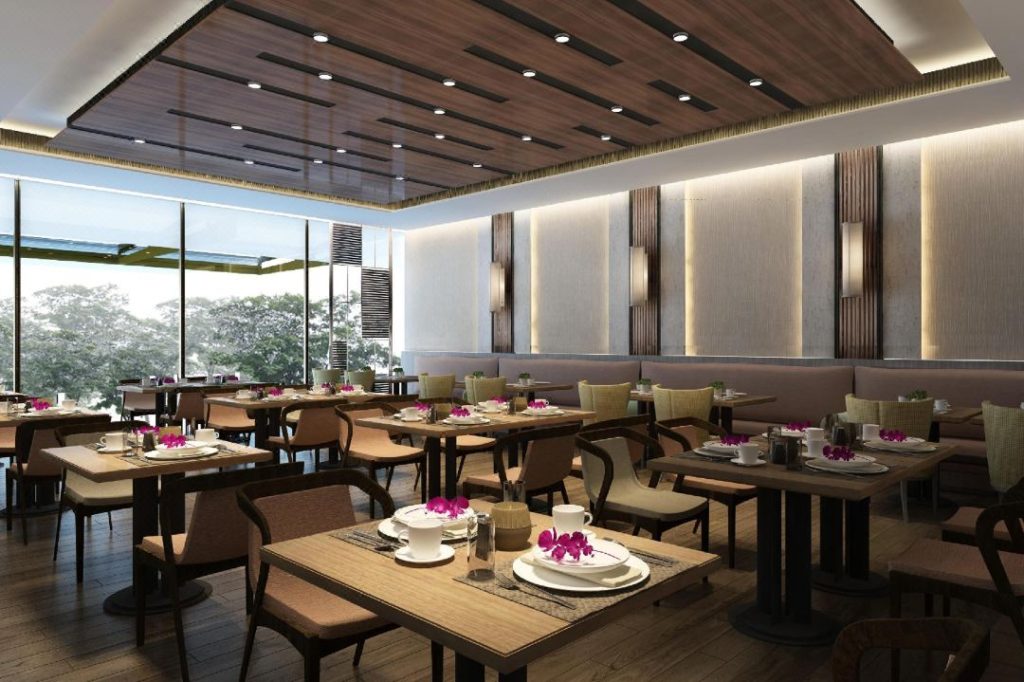
2. Loose Furniture Helps Spaces Adapt to Change
Firms today don’t stay still for long. One year you’re growing, the next year you’re rebranding, or even shrinking. Rather than knocking down walls and rebuilding rooms, architects nowadays design for change — and flexible furniture is an important enabler for that.
Think about going hybrid. The office is being reimagined by many companies. Fewer desks, more room for collaboration. More quiet spaces for individual work. Flexible furniture enables you to do this. You can take out desks and insert lounge space or group tables without a complete rebuild.
From Static to Dynamic: The New Workplace Norm
This is a trend that goes far beyond the office. Hotels want movable lobbies for guests and events. Schools need classrooms that can fit many approaches to teaching. Retailers want moveable furniture that can be shifted with the seasons or merchandise. Architects like loose furniture because it allows them
the ability to create spaces that shift and respond with the business.
But flexibility isn’t the sole motivation behind why architects are recommending it. Design matters too — and relaxed furniture plays a significant role in making rooms feel and look just so.
3. Loose Furniture Increases Aesthetic and Brand Value
When you enter a hip coffee shop or contemporary office waiting room, the furniture isn’t simply giving you a place to sit. It’s setting the atmosphere. It is telling you something about this company, how they wish to be perceived, and what kind of experience they are offering.
Designers know that loose furniture is what brings brand identity to life. With bold colors, unconventional shapes, or rich textures, loose furniture gives designers the freedom of molding the character of a brand.
Design Freedom with Loose Pieces
Since freestanding furniture is so readily replaced or refaced, companies are not committed to making a style decision for all time. Want to go minimalist next year and bright and bold the following year? No problem. That kind of flexibility enables companies to stay in style and cool without having to start from scratch.
And furniture can define visual spaces — such as a peaceful reading space, a social seating space, or an intimate meeting space — without walls. Architects employ this method to design experiences in a space.
Certainly, wonderful design is crucial — but so is value. Let’s consider why loose furniture is also a good business model.
4. Loose Furniture is More Economically Rational
Business owners will ask themselves, “Is this going to make me money in the long term?” With loose furniture, it’s likely yes. Though well-made loose pieces can be a front-end cost, they can pay dividends in the long term.
Why? Because they are portable, flexible, and durable. Loose furniture can travel with you whenever you move, be reused in some other space of your building, or be replaced with just the worn-out components. You don’t have to spend the hefty price of construction every time something is altered.
Practical + Financial Benefits
Loose furniture is also quicker to install. No holes in walls and waiting for contractors. That is less delay and less downtime — something every business appreciates.
Budget-wise, loose furniture is cost-saving in the long term and offers greater freedom with moves or leases. It is also easier to refresh when your brand evolves, or your requirements do.
Where, then, do businesses turn when they require quality, stylish, and market-ready loose furniture? This is where Harman Furnishings comes in.

5. Why Harman Furnishings Loose Furniture is the Architect’s Choice
At Harman Furnishings, we know that good commercial design is more than skin deep. It’s about creating spaces people can work with — now and in the future. That’s why architects and designers select us when they require loose furniture that’s as versatile and effective as it is stunning.
We offer varied furniture for use in commercial settings. From plush lounge seating to sleek workstations, our furniture is designed with style, durability, and functionality in mind.
An Ally That Understands Commercial Real Estate
Architects choose Harman, too, for the same reason: we are not only a furniture maker — we are a design partner. We collaborate with designers, architects, and project managers to make each piece the perfect fit in the master plan. Space planning in a crunch? Is a custom size or finish needed? We’ve got it covered.
Aside from that, we design across sectors — from office buildings to boutique hotels, schools to retail outlets. No matter the space, we have the loose furniture solutions to get it done.
Now that we’ve gotten this established, it’s obvious: Loose furniture is not a trend. It’s a smart, adaptive method of commercial space design. Let’s bring all this together.
Conclusion
Architects are rewriting the script of what constitutes a functional room. No more walls and lighting — it’s about what fills the space and how humans inhabit it. That’s why casual furniture is a design necessity in commercial spaces.
It provides flexibility. It makes it easier to change. It is good for brand identity. It is business savvy. And if you select the proper partner — such as Harman Furnishings, it all happens seamlessly.
Whether you are creating a new room or remodeling a current space, freestanding furniture enables you to design with purpose and build for the future.
Are you ready to design a smarter space? Let’s discuss how we can assist you in developing commercial spaces that are solid, stunning, and durable. Contact our team at Harman Furnishings today to begin — we can’t wait to hear about your project and assist you in bringing your vision to life.
Frequently Asked Questions
1. What is loose furniture?
Loose furniture is a term used to describe movable objects such as chairs, sofas, tables, and shelves that are not fixed to a building or structure.
2. How does loose furniture differ from fixed furniture?
Attached to floors and walls, fixed furniture does not move, whereas loose furniture can be moved and easily rearranged.
3. Why would loose furniture be suggested by architects in commercial environments?
Loose furniture is more favored by architects as it provides flexibility, can cater to evolving business requirements, and enables innovative, brand-conscious designs.
4. Is loose furniture acceptable for use in offices?
Yes, loose furniture is ideal for modern offices, especially those that use open-plan or mixed work arrangements.
5. Can loose furniture be customized?
Most manufacturers, like Harman Furnishings, offer material, finish, and size customization.


