



Customized furniture solutions have become increasingly popular for those seeking personalized and functional furniture tailored to their specific needs and spaces. Unlike mass-produced furniture, customized options are designed to fit unique dimensions, styles, and preferences, ensuring a perfect blend of form and function.
Whether you’re looking to optimize limited space, create a distinctive aesthetic, or enhance the overall functionality of your home or office, customized furniture solutions offer the flexibility and quality that mass-produced alternatives often can’t provide.
In this article, we’ll explore what customized furniture solutions are, their benefits, and how they can enhance your space to meet your specific requirements.
What Are Customized Furniture Solutions?
Customized furniture solutions refer to furniture that is specifically designed and made to meet the unique needs, preferences, and dimensions of a space. Unlike mass-produced furniture, which is manufactured in bulk with limited customization, customized furniture is tailored to fit individual requirements, whether it’s for size, style, material, or functionality.
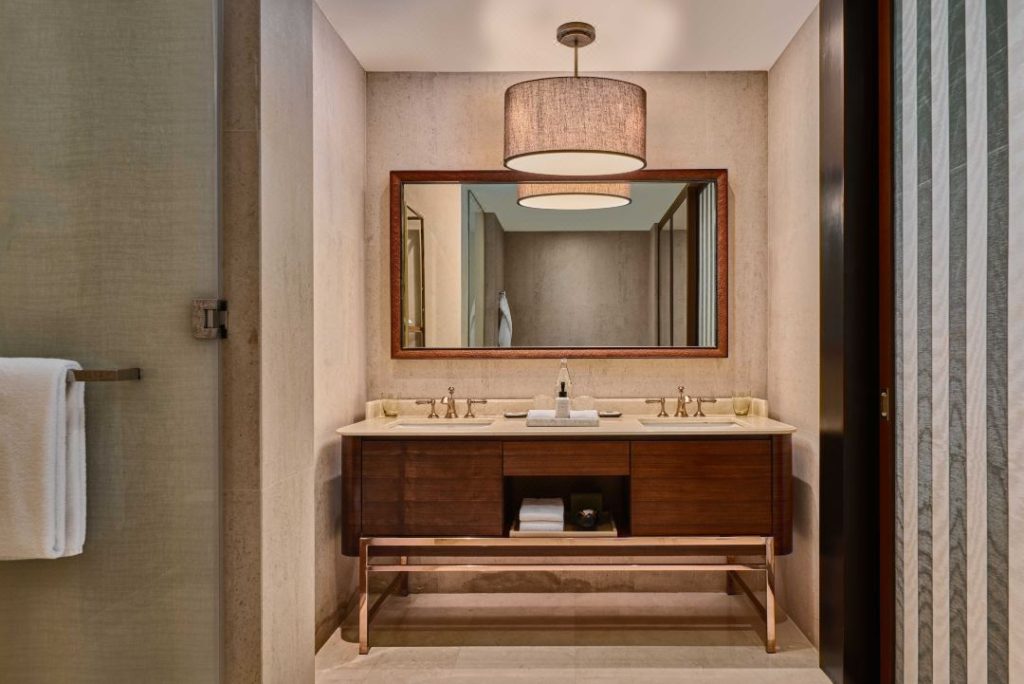
How Do Customized Furniture Solutions Differ from Standard Furniture Options?
1. Customization vs. Mass Production: Standard furniture is produced in large quantities, following predefined designs, dimensions, and styles. Customized furniture, on the other hand, is made according to individual specifications, ensuring a perfect fit for your space.
2. Design Flexibility: Customized furniture allows for greater design flexibility, from material selection to unique shapes and sizes, while standard furniture limits options to pre-set designs and dimensions.
3. Quality and Fit: Customized furniture ensures a better fit, higher quality, and greater attention to detail, while standard furniture may lack these personalized features.
Benefits of Choosing Customized Furniture:
Some benefits of choosing customized furniture are listed hereunder:
1. Perfect Fit: Customized furniture ensures that the pieces fit the exact dimensions of your space, reducing wasted space and ensuring functionality.
2. Design and Aesthetics: You have control over the design, material, finish, and colors, helping create a unique and cohesive look that matches your personal style.
3. Functionality and Efficiency: Customized furniture is tailored to your specific needs, enhancing functionality and improving storage solutions, comfort, and usability.
4. Durability and Longevity: Higher-quality materials and craftsmanship often come with customized furniture, resulting in increased durability and long-term value.
5. Personalization: It reflects your personality and tastes, creating a unique space that stands out from mass-produced furniture.
By understanding these key points, you can make an informed decision about whether customized furniture is the right choice for your space.

Materials Needed for Customized Furniture:
1. Common Materials Used:
- Wood: One of the most popular choices, offering a classic and versatile option. Common types include hardwoods like oak, walnut, and maple, known for their strength and aesthetic appeal.
- Metal: Ideal for modern and industrial designs, metal materials such as steel or aluminum are durable, lightweight, and provide a sleek, contemporary look.
- Upholstery: Fabrics like leather, velvet, or synthetic materials are often used for seating options, adding comfort and style.
- MDF (Medium-Density Fiberboard) and Plywood: These engineered wood materials are frequently used in custom furniture due to their versatility and cost-effectiveness, often used for cabinets, shelving, and decorative elements.
2. Importance of Selecting High-Quality Materials:
Selecting high-quality materials is crucial for both durability and aesthetics. High-grade wood, metal, and upholstery not only ensure longevity but also enhance the overall look of the furniture. Quality materials contribute to better craftsmanship, improving the strength and appearance of the final product, making it both functional and visually appealing.
3. Eco-Friendly and Sustainable Materials Options:
In recent years, eco-friendly and sustainable materials have gained popularity, aligning with growing environmental concerns.
- Reclaimed Wood: Sourced from old structures like barns or warehouses, offering a unique character and reducing the need for new wood.
- Bamboo: A sustainable option known for its strength, rapid growth, and minimal environmental impact.
- Recycled Metal: Utilized for furniture with a modern industrial look, recycled metal helps reduce waste.
- Low-VOC Finishes and Non-Toxic Materials: These are safer for both the environment and the occupants, minimizing harmful chemical exposure.
Choosing eco-friendly materials not only supports sustainability but also contributes to healthier living spaces.
Step-by-Step Process of Creating Customized Furniture
1. Initial Consultation and Design Phase:
The process begins with an in-depth consultation where the client shares their needs, preferences, and vision for the furniture. This phase involves discussing the space, desired style, dimensions, and functionality, ensuring that the design meets both practical and aesthetic requirements.
Designers may use sketches, 3D models, or digital tools to visualize the final piece.
2. Material Selection and Sourcing:
Once the design is approved, the next step is material selection. The client chooses from various options like wood, metal, upholstery, or eco-friendly materials based on their preferences. High-quality materials are sourced from trusted suppliers to ensure durability, aesthetics, and functionality.
The selection of materials is guided by factors such as cost, sustainability, and the intended use of the furniture.

3. Production and Assembly Process:
After the materials are gathered, the production phase begins. Skilled craftsmen use precision tools to cut, shape, and join the materials according to the design specifications.
- Woodworking: For wooden furniture, this includes cutting, shaping, and assembling pieces like joints, drawers, and frames.
- Metalwork: Involves welding or connecting metal components to create frames or structures.
- Upholstery: In cases of upholstered furniture, fabrics are carefully stitched or wrapped over padding, ensuring comfort and style.
The goal is to produce durable, functional, and well-crafted furniture that adheres to the client’s specifications.
4. Finishing Touches (Color, Texture, Hardware):
The final step is adding the finishing touches to enhance both the aesthetics and durability of the furniture.
- Color and Texture: Selecting the appropriate paint, stain, or finish to achieve the desired look, whether it’s a polished, matte, or distressed finish.
- Hardware: Choosing the right handles, knobs, or other functional components to complement the design.
- Final Inspection: Quality checks are conducted to ensure everything meets the client’s expectations before delivering the piece.
By following these steps, the customized furniture becomes a functional, unique, and beautiful addition to any space.
Effectiveness and Benefits of Customized Furniture Solutions
1. Tailored Fit for Specific Spaces and Needs:
Customized furniture solutions are designed to fit unique spaces and meet specific requirements. Unlike mass-produced furniture, which often comes in standard sizes and shapes, customized furniture is created to match the dimensions and layout of a particular room, maximizing space utilization and functionality.
This ensures a perfect fit, especially for irregular or hard-to-design areas like alcoves, corners, or narrow hallways.
2. Enhanced Functionality and Style:
Customized furniture is crafted with the user’s specific needs in mind. Whether it’s adding extra storage, optimizing seating arrangements, or enhancing the overall aesthetic, good customized furniture offers a solution tailored to the user’s preferences.
Designers can incorporate innovative features like hidden compartments, built-in storage, or ergonomic designs, making the furniture more functional and aligned with the intended use.
3. Long-Term Durability and Value:
Customized furniture is often constructed using high-quality materials and superior craftsmanship, ensuring greater durability compared to mass-produced options. The use of durable materials, combined with precision construction, results in furniture that stands the test of time.
Additionally, customized furniture often holds greater long-term value as it’s built to last and retains its unique design, reducing the need for replacements and contributing to more sustainable living spaces.
Choosing customized furniture means investing in pieces that not only enhance the look of a space but also offer superior functionality and durability, ensuring lasting value.

Differences and Similarities Between Customized and Standard Furniture
1. Customization vs. Mass Production:
- Customized Furniture: Tailored to specific requirements, offering unique designs, dimensions, and features. Each piece is crafted to meet individual needs, ensuring a perfect fit for specific spaces.
- Standard Furniture: Produced in large quantities using predefined designs, sizes, and materials. It lacks the flexibility to adapt to unique spaces or individual preferences.
2. Design Flexibility and Personalization:
- Customized Furniture: Provides extensive design flexibility, allowing clients to choose materials, colors, finishes, and unique features that suit their tastes and specific needs.
- Standard Furniture: Limited in design options, often adhering to predetermined styles, sizes, and configurations, which may not fit the uniqueness of every space or preference.
3. Quality, Durability, and Cost Comparison:
- Customized Furniture: Higher upfront cost due to personalized design, high-quality materials, and craftsmanship. However, it offers better durability and long-term value as it’s built to last and tailored for specific use.
- Standard Furniture: Generally more cost-effective due to mass production, but often made with lower-quality materials and less durable construction. Maintenance or replacement costs may arise sooner due to wear and tear.
Conclusion
Customized furniture solutions offer numerous advantages over standard options, including tailored design, superior quality, and long-term durability. While standard furniture may be more cost-effective initially, customized furniture provides a perfect fit for unique spaces, enhanced functionality, and personalized aesthetics. Choosing customized furniture ensures a higher level of satisfaction and lasting value.
If you’re looking to transform your space with customized furniture solutions, contact Harman Furnishing today to get a quote and bring your vision to life with expert craftsmanship and personalized designs.
FAQs
What types of spaces are best suited for customized furniture?
Customized furniture is ideal for spaces with unique dimensions, irregular layouts, or specific design requirements, such as small apartments, office spaces, or luxury homes.
How long does the customization process usually take?
The customization process typically takes several weeks to a few months, depending on the complexity of the design and availability of materials.
Is customized furniture more expensive than standard options?
Yes, customized furniture tends to be more expensive due to tailored designs, high-quality materials, and craftsmanship.
Can customized furniture solutions be repaired or modified?
Yes, customized furniture can often be repaired or modified to suit changing needs, ensuring longevity and adaptability.
How can I ensure the quality of customized furniture?
Choose reputable manufacturers or designers, review their materials and craftsmanship, and ensure they offer warranties or guarantees for quality and durability.


